Phonics and reading
At Foxfield, we believe that reading is a life-long skill. Children leave our school able to discuss with confidence a range of books and enjoy regularly reading for pleasure.
Our readers are equipped with the tools to tackle unfamiliar vocabulary and materials. They are able to recommend books to their peers and enjoy reading a wide range of genres, including non-fiction books. Children enjoy participating in book talk, including evaluating an author’s use of language and how this can affect the reader. We ensure the books we read as part of our reading curriculum and in our books corners build on children’s cultural capital and reflect the diversity of our children's lived experiences.
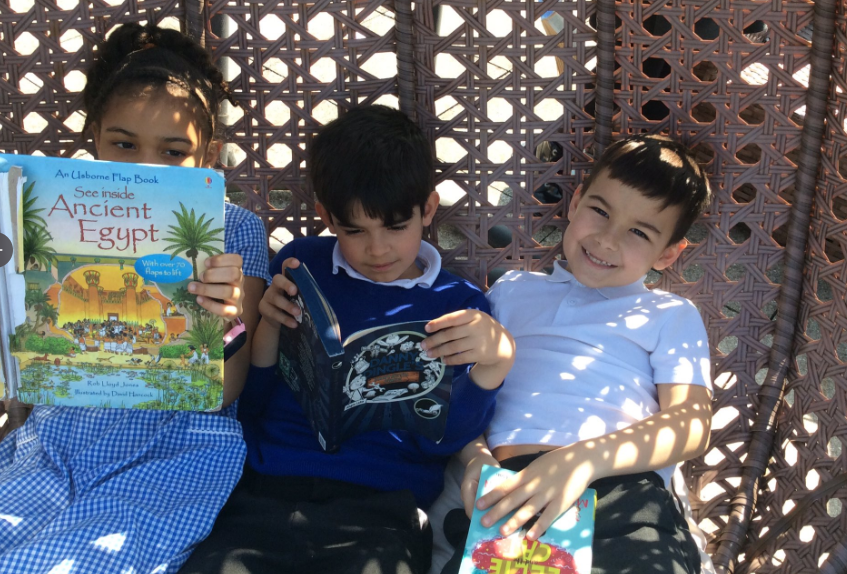
Prioritising reading for pleasure is crucial because it fosters a lifelong love for reading, which is essential for overall literacy development and academic success. When children enjoy reading, they are more likely to engage with texts regularly, which naturally improves their reading fluency, comprehension, and vocabulary. This enjoyment also encourages curiosity and imagination, helping children to explore new ideas and perspectives beyond the classroom.
Reading for pleasure can also positively impact pupils' emotional and social development, as it allows them to empathise with characters and understand diverse experiences. When reading is associated with pleasure rather than just academic achievement, children are more likely to develop intrinsic motivation to read, leading to a sustained habit that benefits all areas of their education and personal growth.
Why reading is important
At Foxfield, we believe reading underpins success across all aspects of the curriculum. We don’t just teach children to read, we create lifelong learners.
Through developing oracy and book talk alongside the basic skills of decoding, children’s language acquisition effectively develops alongside their reading attainment. Through accessing carefully selected, rich texts that are both read and read aloud; our children have multiple exposures to vocabulary and second tier words.
Fluency and comprehension are the core values in our approach to developing successful readers.
Early Reading and Phonics
How we teach early reading
- Reading is taught in tandem with phonics. After a phonics lesson, children from Reception, Year 1 and Year 2 apply their phonics knowledge by reading a fully decodable book.
- These daily sessions are 25 minutes long.
- There are approximately 6 children in a group and the teacher reads with one group daily. This is called conferencing.
- Children have extra support where appropriate, by a trained adult.
- The focus is on ‘keep up not catch up’.
- The focus in Reception is on reading strategies of decoding and blending.
- Books selected by the teacher show cumulative progress according to the sounds the child has been taught that half-term.
- Books are closely matched to a child's ability. Children read books which contain sounds they have learnt so they can practise the skills of segmenting and blending.
- In reception, reading sessions start almost immediately. For children who are not decoding, blending remains a focus.
- Children take home books matched to the phase they are working in. Children are able to self - select books and can speak well about which books they choose and why.
How we teach phonics
- In the Nursery, children follow the Little Wandle Letters and Sounds Revised – ‘Foundations for Phonics’ programme. The focus is on daily oral blending and language development through high-quality stories and rhymes.
- In Reception and Year 1, children follow the progression within the Little Wandle Letters and Sounds Revised programme. Phonics is taught for 25 minutes every day.
- By the end of Reception, children will have been taught up to the end of Phase 3. If they are ready, children may start Phase 4.
- By the end of Year 1, children will have been taught up to the end of Phase 5.
- In Year 2, phonics is taught daily following the model of Little Wandle and plugging specific gaps identified through teacher assessment.
- In Years 2 to 6 there are planned catch-up sessions following a set model to address specific gaps. These take place at least three times a week.
- All staff, including support staff, receive regular training on how to teach early reading and phonics.
How we assess phonic knowledge.
- In Reception and Year 1, at the end of each week, there is a review session which recaps the learning. There are also whole review weeks (pre-planned and bespoke review weeks to address gaps identified by the class teacher’s ongoing assessment).
- Children identified in Reception and Year 1 as at risk of falling behind are immediately identified and daily ‘keep up’ sessions are put in place – sessions follow the Little Wandle Letters and Sounds Revised programme.
- In Reception and Year 1, the children are assessed at the end of every half-term using the Little Wandle Letters and Sounds Revised assessment tracker.
- Children from Reception to Year 2 are tracked by book band level. This is especially helpful for the transition to the next year group, so rapid progress can continue.
- The children in Year 1 sit the Phonics Screening Check in the summer term (June).
- Children who do not pass the Phonics Screening Check in Year 1, will re-sit this in Year 2.
- Children who are currently in Key Stage 2 who didn’t leave Key Stage 1 at the expected level are monitored every half-term.
Reading for Pleasure at Foxfield
Every child at Foxfield will have...
Curriculum
- Access to a global curriculum based on a core text approach, where topics are taught through high-quality books with relatable themes and protagonists that excite and motivate them.
- Dedicated time each day when an adult will read aloud to them from a carefully selected Reading Canon, aimed to build on their cultural capital.
- Daily opportunities to read to an adult and other children in the classroom.
- Daily opportunities to engage in quality book talk.
- An engaging, tidy book corner in their classroom with a range of high-quality fiction and non-fiction texts.
- Children in year 6 have the opportunity to participate in a 'Book Club' with a range of different authors.
Enrichment
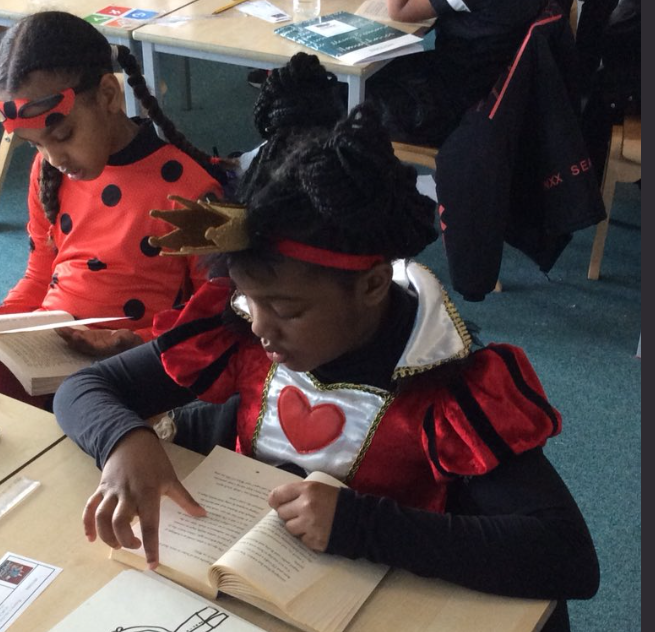
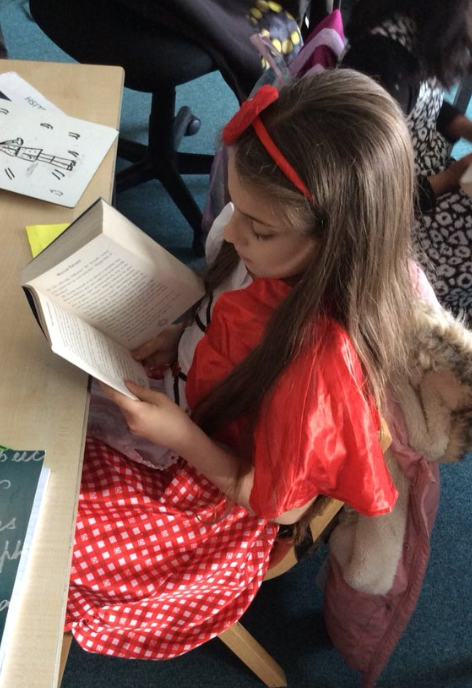
- Participation in World Book Week dress up and enrichment events such as author visits and storytelling.
- Regular author/ storyteller visits.
- A visit to the local library every term.
-